
Preparation Steps for Smooth Painting Results
Before you start painting, ensuring your drywall seams are properly handled is crucial. Neglecting this step can lead to visible lines and an uneven finish on your walls. Properly addressing these seams will not only improve the look of your paint job but also enhance the overall durability and quality of your walls. In this guide, we’ll walk through the key steps to effectively manage drywall seams, offering practical tips and solutions for a flawless painting project.
Importance of Seam Preparation
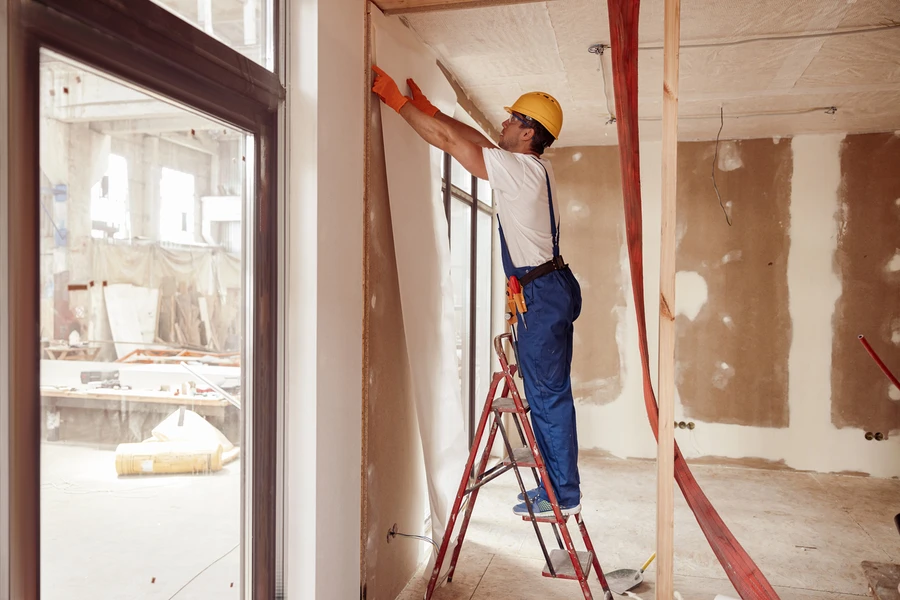
Handling drywall seams is essential for achieving a smooth and professional-looking wall surface. If left untreated, seams can become visible under the paint, resulting in unsightly lines and texture differences. Preparing these seams beforehand helps to create a uniform appearance, which is especially important for areas with direct lighting that accentuates imperfections.
Understanding Joint Compound Application
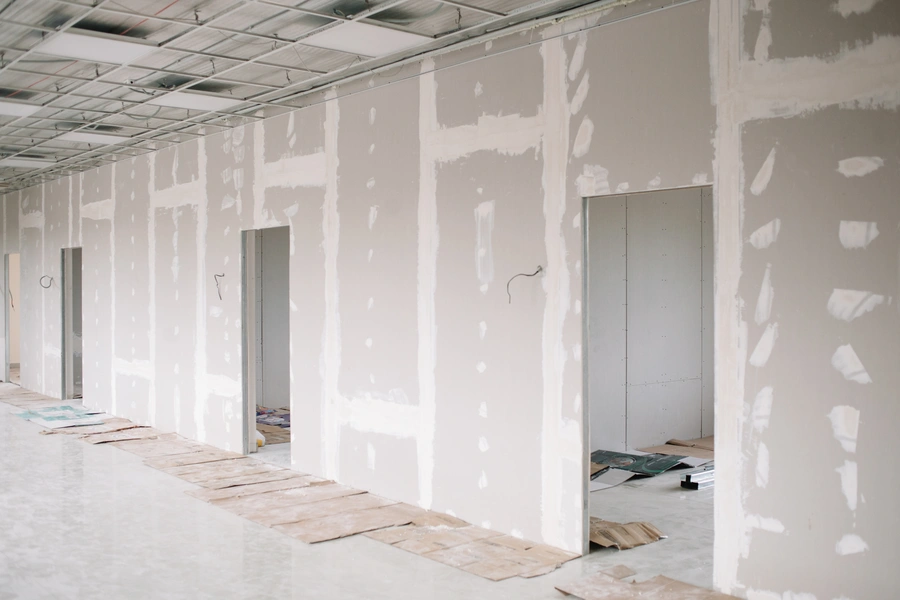
Applying joint compound is a critical step in managing drywall seams. This process involves spreading a thin layer of compound over the seams to even out the surface. During drywall installation, seams occur where sheets meet, and using joint compound helps to fill and cover these gaps. The key is applying multiple layers, each progressively wider than the last, to blend the seam into the surrounding wall seamlessly.
Sanding for a Smooth Finish
Once you’ve applied the joint compound, sanding is necessary to achieve a smooth finish. Sanding removes any excess compound and corrects uneven surfaces. Use fine-grit sandpaper for this task, as it allows for precise smoothing without damaging the wall. Consistent sanding ensures that your painted surface won’t reveal hidden flaws once dry.
Taping Techniques for Durability
Taping is another vital component in handling drywall seams correctly. Use paper or mesh tape to reinforce the joint compound application. Paper tape provides excellent adhesion and strength, while mesh tape offers flexibility and easier application. Choosing the right tape enhances seam durability, preventing future cracking or shifting.
Priming Before Painting
Priming your walls after preparing the seams is an important step that should not be skipped. Primer seals the joints and creates a consistent base for paint adhesion. It prevents uneven absorption of the paint and covers any remaining imperfections from the drywall installation process. A high-quality primer ensures better color consistency and longevity in your finished work.
Cost Considerations When Prepping Seams
When preparing drywall seams, cost considerations often come into play. Investing in quality materials such as durable joint compounds, reliable tapes, and effective primers can save money in the long run by reducing the need for touch-ups or repairs. Assess your budget early and prioritize materials that offer both value and reliability for a successful outcome.
Contact Us for Professional Assistance
If you’re unsure about handling drywall seams or simply want professional help, consider reaching out to Norman Painting at (669) 317-1968. Our team specializes in delivering seamless results with top-quality materials and techniques. We proudly serve clients throughout San Jose, CA, ensuring every project meets our strict standards of excellence.