
Understanding How Proper Installation Impacts Paint Performance
When you’re ready to refresh your walls with a new coat of paint, the way drywall is installed can play a crucial role in how well that paint adheres. The quality and method of installing drywall affect the surface’s smoothness and stability. This impact can either enhance or undermine your painting efforts. Understanding these aspects can help ensure your home makeover lasts and looks professional.
The Role of Surface Preparation in Painting
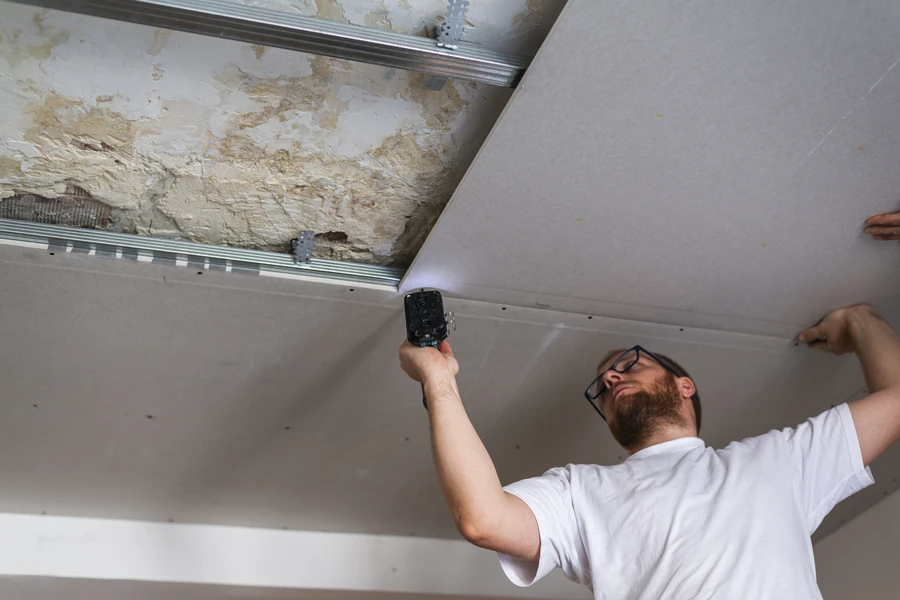
Before starting any painting project, preparing the surface is essential. A properly installed drywall provides a clean slate for paint application, ensuring no imperfections disrupt the final look. It is vital to sand and prime the drywall correctly, as these steps fill small holes and create an even surface. Skipping this could result in uneven paint distribution and unattractive blemishes.
How Drywall Installation Affects Paint Adhesion
A good drywall installation ensures a flat and stable wall surface, which directly impacts paint adhesion. When drywall is not installed correctly, you may find gaps, uneven surfaces, or loose sections that prevent paint from sticking properly. These issues can lead to peeling or flaking over time. Utilizing skilled professionals for drywall tasks helps avoid such problems and promotes long-lasting results.
The Importance of Joint Compound Application
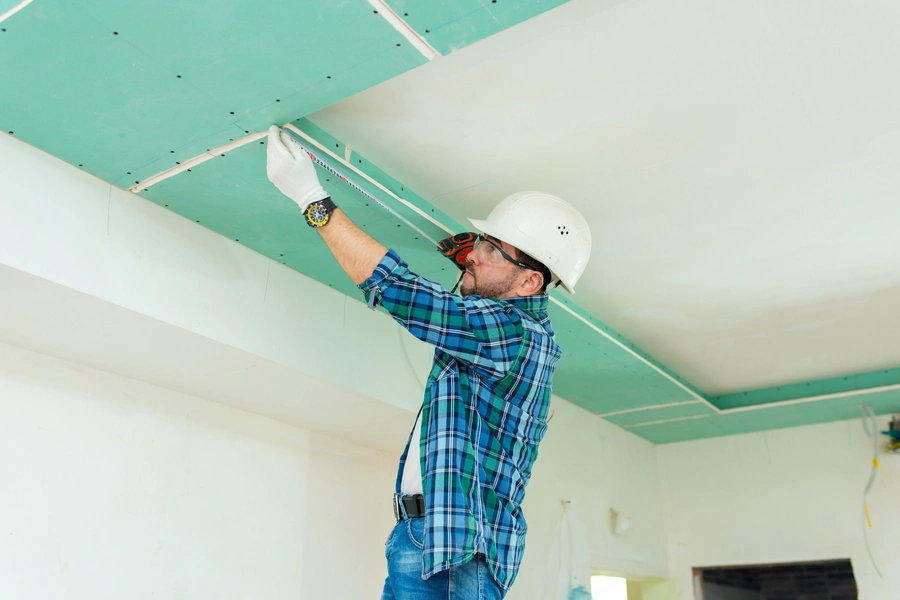
After initial drywall installation, applying joint compound is a key step before painting. The compound seals seams between panels and covers screws or nail heads. When applied evenly, it smooths out transitions, providing a uniform base for paint. Any inconsistency here can show through the paint layers, highlighting flaws rather than hiding them.
Benefits of Proper Drywall Techniques
Using proper techniques during drywall setup offers numerous advantages for subsequent painting:
- Creates a smooth, even surface for paint application
- Enhances durability and reduces maintenance needs
- Prevents common issues like cracking or moisture damage
- Ensures better longevity of both drywall and paint
Common Problems Linked With Poor Drywall Work
Poorly executed drywall work can lead to several painting challenges:
- Bubbling or blistering due to trapped air pockets
- Cracks forming where seams weren’t properly taped
- Uneven absorption rates affecting color uniformity
- Peeling or chipping from insufficient adhesive strength
Steps to Achieve Optimal Paint Adhesion
- Ensure all drywall panels are securely attached with no gaps.
- Smooth out seams using joint compound until flat.
- Sand the entire surface lightly to eliminate rough spots.
- Apply a suitable primer that matches your chosen paint type.
- Check for any remaining imperfections before finalizing with paint.
Expert Tips for Successful Painting Outcomes
To achieve the best possible results when painting over drywall, consider these expert tips:
- Select high-quality materials to avoid frequent touch-ups.
- Allow ample drying time between primer and paint layers.
- Avoid cheap shortcuts; invest in professional services if needed.
- Regularly inspect painted surfaces to address issues early.
Investing in Quality: Why It’s Worth It
Many homeowners worry about the costs associated with proper drywall practices. However, investing in quality workmanship saves money long-term by reducing repair needs and enhancing aesthetic appeal. Choosing reputable contractors who adhere to industry standards ensures you receive value for every dollar spent. The return on investment comes in the form of fewer headaches and a polished finish that endures.
Your Next Step Towards Perfect Walls
If you’re planning a painting project in San Jose, CA, having expertly installed drywall is pivotal. By contacting Norman Painting at (669) 317-1968, you can ensure your walls provide the ideal canvas for any color scheme. Our team specializes in delivering surfaces that maximize paint performance, promising satisfaction with every brushstroke. Let us help you transform your space with our trusted expertise.